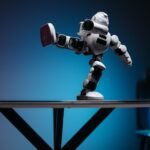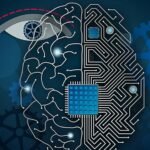
Robotics: The integration of AI and robotics, enabling machines to perform physical tasks autonomously.
Autonomous Navigation: AI-powered robots can perceive their environment using sensors such as cameras, lidar, and sonar, and navigate through complex and dynamic surroundings. They employ AI algorithms to process sensor data, map the environment, and make decisions about movement and obstacle avoidance. Manipulation and Grasping: AI-enabled robots can perform dexterous manipulation tasks, such as grasping objects with different shapes, sizes, and materials. Through computer vision and machine learning techniques, robots can analyze visual data, estimate object properties, and plan precise grasping actions.
Human-Robot Interaction: AI in robotics enables natural and intuitive interaction between humans and robots. Robots can understand human gestures, voice commands, and even emotions, facilitating collaboration and communication in various settings, including manufacturing, healthcare, and personal assistance.
Machine Learning in Robotics: Machine learning plays a crucial role in robotics by enabling robots to learn from data and improve their performance over time. Reinforcement learning algorithms allow robots to acquire new skills through trial and error, while supervised and unsupervised learning techniques enable them to recognize and respond to different objects, faces, or environmental conditions.
Collaborative Robots (Cobots): Collaborative robots, or cobots, are designed to work alongside humans in shared workspaces. Through advanced AI algorithms, cobots can sense human presence, understand human intentions, and adapt their behavior to ensure safe and efficient collaboration. Industrial Automation: Robotics and AI have revolutionized industrial automation.
Robots equipped with AI capabilities can perform repetitive and labor-intensive tasks in manufacturing, assembly lines, and logistics, improving productivity, efficiency, and accuracy. Swarm Robotics: Swarm robotics involves the coordination of large groups of robots to perform tasks collectively. By applying AI techniques, swarm robots can exhibit emergent behaviors, self-organize, and accomplish complex tasks that are beyond the capabilities of individual robots.
Robotic Perception: AI enables robots to perceive and understand their environment. Computer vision, sensor fusion, and deep learning techniques allow robots to interpret visual and sensory data, recognize objects, detect obstacles, and adapt their behavior accordingly. Autonomous Drones: AI-powered drones have gained popularity in various fields, including aerial surveillance, delivery services, agriculture, and search and rescue operations.
Drones equipped with AI algorithms can navigate autonomously, avoid obstacles, and perform specific tasks efficiently. The integration of AI and robotics continues to advance, enabling robots to perform increasingly complex and diverse tasks in various domains. Robotics holds tremendous potential to revolutionize industries, enhance productivity, and contribute to sectors such as healthcare, manufacturing, transportation, and more.