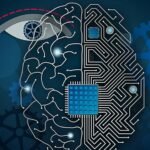
How artificial intelligence is dividing the world of work
The rapid progress of artificial intelligence (AI) is revolutionizing industries and transforming the nature of work. While AI offers numerous benefits such as increased efficiency and productivity, it is also creating divisions and generating concerns among workers and experts alike.s
The advent of AI technology has sparked a heated debate, with divergent views on its impact on the job market. Some argue that AI will lead to widespread job displacement, rendering certain roles obsolete and leaving workers unemployed. Others contend that AI will augment human capabilities, creating new job opportunities and increasing overall productivity.
The fear of job loss is a significant concern among workers. Surveys indicate that a significant percentage of employees worry about AI technologies replacing their jobs. There are concerns that tasks traditionally performed by humans, such as manual labor, data entry, and customer service, may be automated, leading to job redundancy.
Furthermore, AI’s impact on skill requirements is another aspect causing division. As AI systems become more advanced, they demand new skill sets and a workforce capable of leveraging and managing AI technologies. This creates a gap between workers who possess the necessary skills and those who do not, exacerbating inequality in the labor market.
The division is not limited to job displacement and skill requirements. Ethical considerations surrounding AI, such as privacy, bias, and accountability, further contribute to the division. Questions arise about the responsible and ethical use of AI systems, as well as the potential for AI to perpetuate existing biases and inequalities.
To address these challenges, policymakers, industry leaders, and academia are engaging in discussions and formulating strategies. Initiatives focusing on retraining and upskilling workers to adapt to the changing job landscape are gaining traction. Governments and organizations are investing in educational programs that equip individuals with the necessary AI-related skills.
Additionally, there are calls for stronger regulation and governance frameworks to ensure the ethical and responsible use of AI. The need for transparency, fairness, and accountability in AI systems is being emphasized to alleviate concerns and mitigate potential risks.
While the division persists, it is crucial to recognize the potential of AI as a transformative technology that can enhance productivity and improve lives. Striking a balance between embracing AI’s benefits and addressing its challenges is vital to create a future of work that is inclusive, equitable, and sustainable.
As AI continues to evolve, it is essential for society to engage in ongoing dialogue and collaboration to shape the future of work in a manner that harnesses the potential of AI while prioritizing the well-being and livelihoods of workers.