Computer Vision and Image Recognition in AI
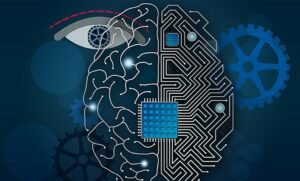
Computer Vision is a branch of Artificial Intelligence (AI) that focuses on enabling computers to understand and interpret visual information from images or videos. With the advancements in computer vision algorithms and deep learning techniques, machines can now perceive and analyze visual data, leading to a wide range of applications. In this blog, we will explore the field of computer vision, its underlying concepts, and the exciting applications of image recognition powered by AI.
Image Recognition and Object Detection
Image recognition is one of the core applications of computer vision. It involves the identification and classification of objects or patterns within an image. Using machine learning algorithms, computer vision systems can learn to recognize specific objects, such as animals, vehicles, or household items. Object detection takes image recognition a step further by not only identifying objects but also locating their precise positions within the image. This capability has applications in autonomous vehicles, surveillance systems, and robotics.
Facial Recognition and Biometrics
Facial recognition technology has gained significant attention in recent years. It involves the identification and verification of individuals based on their facial features. Facial recognition systems utilize computer vision algorithms to analyze facial landmarks, such as eyes, nose, and mouth, and compare them to a database of known faces. Biometric applications of facial recognition include access control systems, identity verification in mobile devices, and surveillance systems for law enforcement purposes.
Image Segmentation and Semantic Understanding
Image segmentation aims to divide an image into meaningful regions or segments based on similar visual characteristics. This technique enables computers to understand the context and relationships within an image. Semantic understanding goes beyond simple object detection by assigning meaning to different regions or segments within an image. This capability is essential for applications like autonomous driving, where a computer needs to understand the road, traffic signs, and other relevant objects in the scene.
Medical Imaging and Diagnosis
Computer vision has made significant contributions to the field of medical imaging and diagnosis. By analyzing medical images, such as X-rays, MRIs, and CT scans, computer vision algorithms can aid in the detection and diagnosis of diseases. For example, in the case of cancer, computer vision systems can assist radiologists in identifying tumors, tracking their growth, and assessing treatment response. This technology enhances the accuracy and efficiency of medical diagnostics, leading to better patient outcomes.
Augmented Reality (AR) and Virtual Reality (VR)
Computer vision plays a crucial role in the development of Augmented Reality (AR) and Virtual Reality (VR) applications. AR overlays digital information onto the real-world environment, while VR creates immersive virtual experiences. Computer vision algorithms enable tracking and recognition of real-world objects and surfaces, allowing AR and VR systems to interact and respond to the user’s environment. This technology has applications in gaming, education, training simulations, and industrial design.
Autonomous Vehicles and Robotics
Computer vision is integral to the development of autonomous vehicles and robotics. Vision-based systems enable vehicles to perceive their surroundings, detect obstacles, and make real-time decisions. Computer vision algorithms analyze video streams from cameras mounted on vehicles to identify lane markings, traffic signs, and other vehicles. This information is then used to control the vehicle’s movements and ensure safe navigation. In robotics, computer vision enables robots to understand and interact with their environment, enabling tasks such as object manipulation and navigation.
Quality Control and Industrial Automation
Computer vision finds applications in quality control and industrial automation processes. By analyzing visual data, computer vision systems can inspect products for defects, monitor production lines for errors, and ensure adherence to quality standards. This technology improves efficiency, reduces human error, and enhances the overall quality of manufacturing processes. Computer vision-based systems are also used for inventory management, package sorting, and logistics optimization in warehouses and distribution centers.