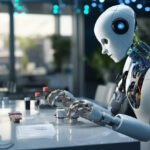
AI in Education: AI-based systems for personalized learning, adaptive assessments, and intelligent tutoring.
Personalized Learning: AI can adapt educational content and instructional methods to individual learners based on their needs, preferences, and learning styles. Machine learning algorithms can analyze learner data, such as performance, engagement, and feedback, to provide tailored recommendations, adaptive content, and customized learning pathways. Personalized learning platforms can dynamically adjust the pace, difficulty, and sequence of learning materials to optimize the learning experience for each student.
Adaptive Assessments: AI-powered adaptive assessments can dynamically adjust the difficulty and content of assessments based on the learner’s performance. These assessments use machine learning algorithms to analyze responses and determine the appropriate next question or activity. By adapting the assessment to the learner’s abilities, adaptive assessments provide more accurate and detailed insights into their knowledge gaps and strengths. This enables educators to identify areas for improvement and tailor instruction accordingly.
Intelligent Tutoring Systems (ITS): Intelligent tutoring systems leverage AI to provide personalized, interactive, and responsive tutoring to students. These systems use natural language processing, machine learning, and expert knowledge to understand student inputs, deliver customized feedback, and adapt instruction based on individual progress. Intelligent tutoring systems can simulate one-on-one interactions, provide explanations, scaffold learning, and offer real-time support to enhance student engagement and comprehension.
Learning Analytics: AI algorithms can analyze large volumes of educational data to generate actionable insights for educators and administrators. Learning analytics can track student progress, identify trends, and provide early warning indicators to prevent dropout or intervene when necessary. These insights enable educators to make data-driven decisions, optimize instructional strategies, and identify areas for improvement in the learning process.
Virtual Assistants and Chatbots: AI-powered virtual assistants and chatbots can provide immediate support and information to students and educators. These conversational agents can answer questions, provide guidance, and offer resources. Virtual assistants can also assist with administrative tasks, such as scheduling, reminders, and managing learning materials, freeing up time for educators to focus on instruction.
Natural Language Processing (NLP) for Writing Support: AI-based NLP tools can provide automated feedback on student writing assignments. These tools can analyze grammar, syntax, coherence, and provide suggestions for improvement. By leveraging AI in writing support, students can receive immediate feedback and enhance their writing skills. The integration of AI in education holds great potential for personalized and effective learning experiences. However, it’s important to consider ethical implications, privacy concerns, and the need for human guidance and expertise in the education process.