AI in Disaster Response: Utilizing AI for real-time disaster monitoring and relief efforts.
Natural disasters such as earthquakes, hurricanes, wildfires, and floods have devastating consequences, affecting millions of lives and causing extensive damage to infrastructure. In recent years, Artificial Intelligence (AI) has emerged as a powerful tool in disaster response, revolutionizing the way we monitor and respond to such calamities. By leveraging AI’s capabilities, we can enhance real-time disaster monitoring, facilitate timely and efficient relief efforts, and ultimately save lives. In this blog, we explore the transformative role of AI in disaster response.
- Early Warning Systems
AI plays a crucial role in early warning systems that provide advance notice of impending disasters. By analyzing data from various sources, including satellites, weather stations, and sensors, AI algorithms can identify patterns and anomalies indicative of potential disasters. This enables authorities to issue timely warnings, giving communities more time to evacuate and prepare for the incoming calamity.
- Predictive Modeling
Predictive modeling, powered by AI, allows disaster response teams to anticipate the scale and impact of a disaster more accurately. By analyzing historical data and current conditions, AI systems can generate simulations and predictions, helping authorities allocate resources and plan relief efforts accordingly. This data-driven approach ensures a more targeted and effective response during critical times.
- Real-time Monitoring and Data Analysis
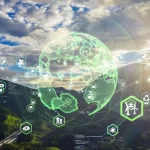
During a disaster, access to real-time information is paramount for responders to make informed decisions. AI-driven monitoring systems can process vast amounts of data from satellites, drones, and IoT devices, providing a comprehensive view of the disaster’s scope and progression. This data can help identify areas of high risk, assess damages, and prioritize relief operations.
- Search and Rescue Operations
AI-powered robots and drones have become invaluable assets in search and rescue missions. Equipped with advanced sensors and computer vision capabilities, these autonomous systems can navigate hazardous environments and locate survivors with greater speed and accuracy. AI algorithms can analyze aerial footage and identify signs of life, assisting rescue teams in their efforts to save lives.
- Natural Language Processing for Communication
During a disaster, communication channels can become congested, hindering coordination between response teams and affected communities. AI’s natural language processing capabilities can help filter and analyze communication data, extracting critical information and prioritizing urgent messages. This ensures that responders receive crucial updates and that affected individuals can seek the assistance they need more efficiently.
- Resource Management and Logistics
Disaster relief operations often require careful resource allocation and logistical planning. AI algorithms can optimize the distribution of supplies, personnel, and equipment based on real-time data and evolving needs. This streamlines relief efforts, reducing response times and ensuring that aid reaches those who need it most, when they need it.
- Post-Disaster Assessment and Recovery
After the immediate response phase, AI continues to play a vital role in the assessment and recovery stages. Machine learning algorithms can analyze post-disaster data to evaluate damages, assess infrastructure integrity, and determine long-term recovery plans. This aids in rebuilding efforts and helps communities bounce back stronger and more resilient.