AI in Brain-Computer Interfaces: AI-powered BCI advancements for medical and assistive purposes.
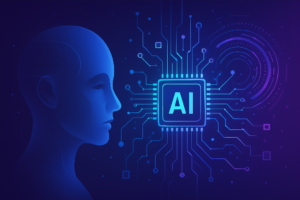
Imagine a world where thoughts can be translated into actions, where the mind’s commands are communicated seamlessly to computers, and where individuals with paralysis regain the ability to interact with the world. This is the realm of Brain-Computer Interfaces (BCIs), a cutting-edge field that is rapidly advancing with the integration of Artificial Intelligence (AI). In this blog, we delve into the fascinating synergy between AI and BCIs and explore how this convergence is reshaping medical and assistive technologies.
The Power of Brain-Computer Interfaces
Brain-Computer Interfaces establish direct communication pathways between the brain and external devices. These interfaces hold transformative potential for various applications:
- Medical Rehabilitation: BCIs offer hope to individuals with paralysis or neurodegenerative disorders by enabling them to control prosthetics, exoskeletons, or even their own limbs through neural signals.
- Communication: BCIs can restore communication abilities for those with severe speech and motor impairments, allowing them to express thoughts and interact with the world.
- Neuroscientific Research: BCIs provide insights into brain function, neural pathways, and cognitive processes, advancing our understanding of the human brain.
- Enhanced Learning: BCIs can facilitate accelerated learning by directly enhancing brain functions such as memory consolidation or attention.
The Role of AI in BCIs
AI technology has catalyzed significant advancements in BCIs:
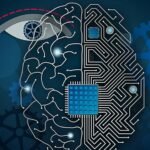
- Signal Processing: AI algorithms process raw neural data, extracting meaningful patterns and translating them into actionable commands for external devices.
- Feature Extraction: AI identifies relevant features in neural signals, enhancing the accuracy of detecting specific intentions or commands.
- Adaptability: AI-powered BCIs can adapt to changes in neural signals over time, ensuring consistent performance despite variations in brain activity.
- Predictive Modeling: AI predicts user intentions, minimizing latency and enabling faster and more intuitive interactions with external devices.
Advancements and Real-World Applications
- Assistive Devices: AI-powered BCIs have enabled paralyzed individuals to control robotic arms, enabling them to perform tasks like eating, drinking, and writing.
- Neural Communication: Non-verbal individuals can communicate by selecting letters or words on a screen through their neural activity, restoring their ability to express thoughts.
- Neurofeedback Therapy: AI-enhanced BCIs enable individuals to receive real-time feedback about their brain activity, aiding in treatments for conditions like ADHD or anxiety.
- Neuroprosthetics: Advanced BCIs coupled with AI have made strides in creating bionic limbs that respond to natural neural commands, restoring mobility and dexterity.
Ethical and Privacy Considerations
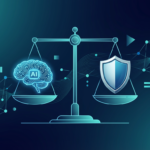
As BCIs and AI merge, ethical considerations arise:
- Informed Consent: Ensuring that individuals fully understand the implications of connecting their minds to external devices is paramount.
- Data Privacy: Protecting neural data from unauthorized access or misuse requires robust security measures.
- Neuro-Privacy: The ethical handling of neural data raises questions about personal privacy and the potential for unwarranted intrusion into one’s thoughts.