Will AI writers replace human writers
/ /
In recent years, artificial intelligence (AI) has made significant advancements, revolutionizing various industries. One such domain is the field of writing. With the emergence of AI writers, some have raised concerns about the potential replacement of human writers.
However, it is important to recognize that AI writers are not intended to replace human writers but rather to assist and enhance their creative process. In this blog, we will explore the relationship between AI writers and human writers, highlighting the ways in which they can coexist and collaborate to achieve remarkable results.
- Harnessing the Power of AI: AI writers possess impressive capabilities when it comes to generating content. They can process vast amounts of data, analyze patterns, and produce coherent text. These attributes make them valuable tools for various writing tasks, including content generation, language translation, and grammar correction. AI writers can save time and effort, particularly for routine or repetitive writing assignments.
- Complementing Human Creativity: While AI writers excel in certain areas, they lack the depth of human creativity and emotional intelligence. Human writers bring a unique perspective, intuition, and empathy to their work. They possess the ability to connect with readers on a deeper level, understand complex emotions, and create compelling narratives that resonate with others. AI writers, on the other hand, are limited to the patterns and data they have been trained on, lacking the innate human touch that makes writing truly engaging.
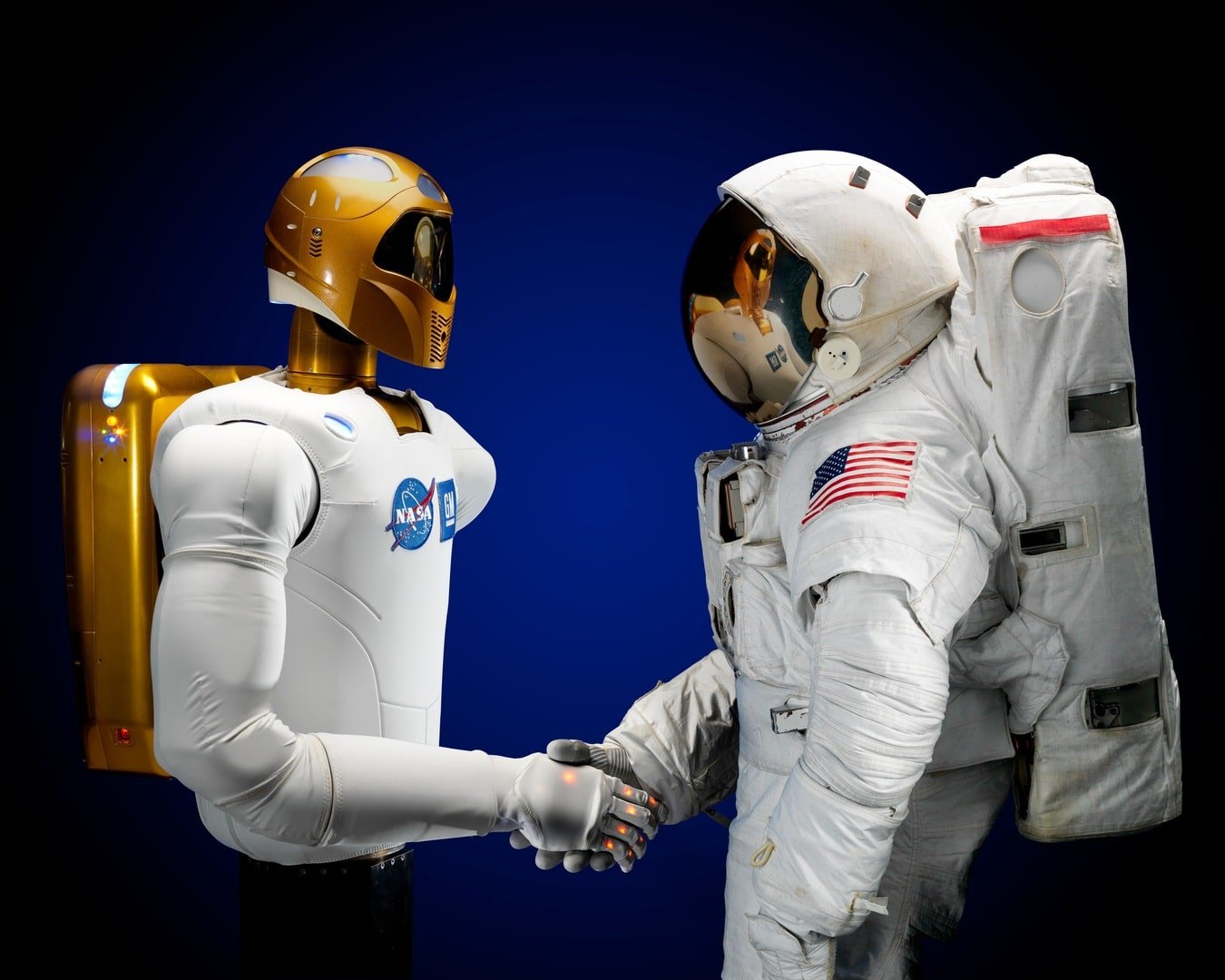
- Collaboration and Coexistence: The future lies in collaboration and coexistence between AI writers and human writers. AI can assist human writers by providing them with research insights, suggesting relevant ideas, or even offering initial drafts that can be further developed. Human writers, in turn, can leverage their creativity, critical thinking, and storytelling abilities to refine and humanize the content generated by AI. Together, they can create content that is both informative and emotionally impactful.
- Enhancing Efficiency and Productivity: AI writers can significantly enhance the efficiency and productivity of human writers. By automating certain tasks such as proofreading, fact-checking, and generating basic content outlines, AI allows writers to focus more on the creative aspects of their work. This collaboration frees up time and energy for human writers to delve deeper into their research, explore new ideas, and refine their storytelling techniques.
- Ethical Considerations and Responsibility: As AI writers become more sophisticated, it is crucial to address ethical considerations. AI-generated content should always be clearly labeled as such to maintain transparency and avoid misleading readers. Human writers have the responsibility to verify and validate the information produced by AI, ensuring accuracy and maintaining the integrity of their work. Moreover, human oversight is necessary to maintain ethical standards, uphold diversity and inclusivity, and prevent the propagation of biased or harmful content.
Posted in Blogs