Google predicts that Artificial Intelligence will contribute £400 billion to the UK economy by the end of this decade

According to a recent report by Google, artificial intelligence (AI) has the potential to contribute a staggering £400bn to the UK’s economy by 2030. The annual Economic Impact Report by the search and advertising giant highlights the significant impact of generative AI, a subset of AI that generates new content based on large datasets and prompts. This technology, exemplified by ChatGPT and DALL-E, is estimated to save the average UK worker more than 100 hours per year.

The report emphasizes the transformative nature of the ongoing platform shift brought about by AI. Debbie Weinstein, Google’s UK and Ireland managing director, describes it as the most profound platform shift experienced by society. The potential benefits of AI adoption are particularly noteworthy in sectors such as healthcare and education, where AI implementation in administrative tasks could save around 700,000 hours annually. The report suggests that broader AI adoption in these sectors could lead to at least £8bn in savings for public sector resources.

While acknowledging that AI may result in job displacement, Weinstein also emphasizes the creation of new employment opportunities. The application of AI in assistive technologies has the potential to support one million workers with disabilities and contribute an additional £30bn to the UK economy, as outlined by Google.

The UK government aims to become a global leader in AI regulation, as stated by Prime Minister Rishi Sunak. However, concerns have been raised by the Equality and Human Rights Commission regarding the adequacy of safeguards outlined in the government’s AI white paper. Google affirms its commitment to working with the government on AI regulation and recognizes the UK’s significant opportunity to maintain its technology leadership.

In addition to its efforts in AI regulation, Google is investing £1m into the Google.org Social Innovation Fund, which supports social entrepreneurs in the UK. The fund aims to foster innovation and positive social impact in the country.

The report’s findings indicate that AI has the potential to revolutionize the UK economy, driving growth, efficiency, and inclusivity. Google’s proactive approach to collaboration with the government reflects the need for a nuanced and comprehensive approach to AI regulation, ensuring that the benefits are maximized while addressing potential challenges.

Top of Form

Posted in

Aihub Team

Leave a Comment


AI and Virtual Assistants: AI-driven virtual assistants, chatbots, and voice assistants for personalized user interactions.

AI and Business Process Automation: AI-powered automation of repetitive tasks and decision-making in business processes.

AI and Social Media: AI algorithms for content recommendation, sentiment analysis, and social network analysis.

AI for Environmental Monitoring: AI applications in monitoring and protecting the environment, including wildlife tracking and climate modeling.

AI in Cybersecurity: AI systems for threat detection, anomaly detection, and intelligent security analysis.

AI in Gaming: The use of AI techniques in game development, character behavior, and procedural content generation.

AI in Autonomous Vehicles: AI technologies powering self-driving cars and intelligent transportation systems.

AI Ethics: Ethical considerations and guidelines for the responsible development and use of AI systems.

AI in Education: AI-based systems for personalized learning, adaptive assessments, and intelligent tutoring.

AI in Finance: The use of AI algorithms for fraud detection, risk assessment, trading, and portfolio management in the financial sector.

AI in Healthcare: Applications of AI in medical diagnosis, drug discovery, patient monitoring, and personalized medicine.

Robotics: The integration of AI and robotics, enabling machines to perform physical tasks autonomously.

Explainable AI: Techniques and methods for making AI systems more transparent and interpretable

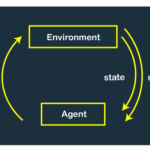
Reinforcement Learning: AI agents that learn through trial and error by interacting with an environment

Computer Vision: AI systems capable of interpreting and understanding visual data.

Natural Language Processing: AI techniques for understanding and processing human language.

Deep Learning: The advancement of deep neural networks and their applications in various domains.

The Biggest Lie In Protest

Protest Strategies For Beginners

Top 10 Tips To Grow Your Tech

Microsoft announces native Teams

Oppo working Find N Fold and Find

NASA scrubs second Artemis 1 launch

Lunar demo mission to provide “stress test” for NASA’s Artemis

Italian microsatellite promises orbital photo bonanza after

Uber drivers at record high as people record high as people as people

Tension between China and Taiwan has risen and what happens what happens

The ride-hailing app had been facing a driver shortage driver shortage

The meteoric rise of AMTD Digital’s shares has been likened been likened

THE BEST WINTER VACATION SPOTS IN THE USA