Future Designers Unleash Creativity with AI
/ /
In the ever-evolving world of design, creativity knows no bounds. Now, with the integration of Artificial Intelligence (AI) in the realm of design, the future of creativity is taking a quantum leap. AI is revolutionizing the design process, empowering designers to unleash their imagination and explore new frontiers. In this blog post, we will explore how AI is transforming the landscape of design, enabling future designers to harness the power of technology to bring their visions to life like never before.
- AI-Driven Design Inspiration: AI is a wellspring of inspiration for designers. By analyzing vast amounts of data and patterns, AI can generate design concepts, color palettes, and layout ideas that spark creativity. From architecture to graphic design, AI provides a wealth of possibilities, igniting the imagination of future designers and encouraging innovation.
- Seamless Design Collaboration: With AI, collaboration between designers becomes smoother and more efficient. AI-powered platforms facilitate real-time collaboration, allowing multiple designers to work together on a project simultaneously. Additionally, AI can assist in resolving conflicts and suggesting design modifications, fostering a collaborative and harmonious design process.
- Time-Saving Design Tools: AI-driven design tools automate repetitive tasks, freeing designers to focus on the creative aspects of their work. From automating layout adjustments to suggesting font combinations, AI streamlines the design process, enabling designers to produce high-quality work in less time. This newfound efficiency empowers designers to take on more ambitious projects and explore diverse design ideas.
- Personalization and User-Centric Design: AI enables designers to create highly personalized user experiences. By analyzing user data, preferences, and behavior, AI-powered design systems can adapt interfaces and content to cater to individual user needs. Personalized design fosters stronger connections between users and products, enhancing user satisfaction and loyalty.
- Accessible Design for All: AI promotes inclusive design by making digital experiences more accessible to people with disabilities. AI-driven tools can automatically generate alt-text for images, ensuring visually impaired users can access content. Moreover, AI can optimize design elements for readability and usability, creating a more inclusive digital landscape for all users.
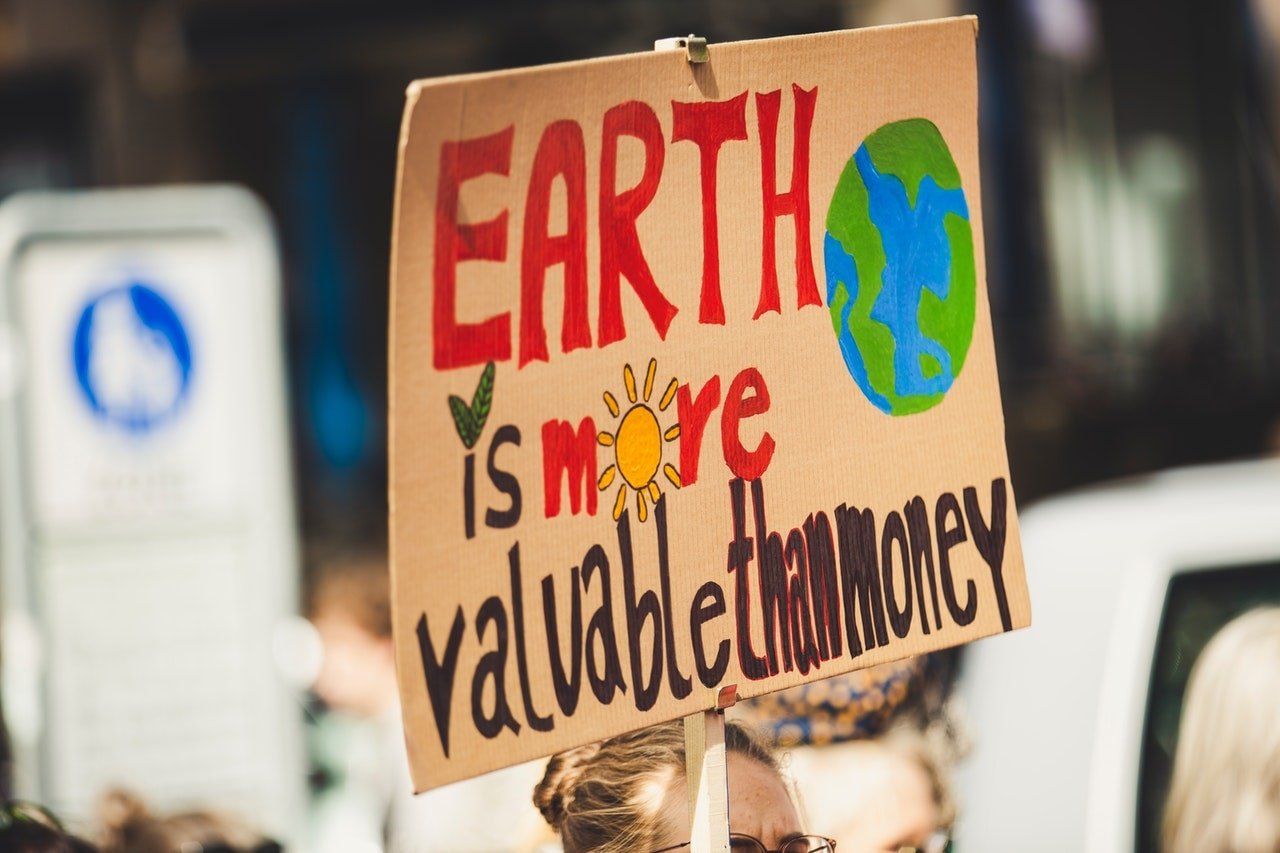
- Designing for Sustainability: Incorporating AI in the design process also allows designers to prioritize sustainability and environmental considerations. AI can analyze data on material usage, energy consumption, and environmental impact to inform eco-friendly design choices. By integrating sustainable practices into their work, future designers contribute to a greener and more sustainable world.
Posted in Blogs