

Georgia State researchers design artificial vision device for microrobots
Researchers at Georgia State University (GSU) have developed an innovative artificial vision device, referred to as an ‘electric eye,’ for micro-sized robots. This device replicates the biochemical processes involved in natural vision using synthetic methods. Notably, the researchers have made significant advancements in color recognition, which has been a challenging area due to the downsizing…

European Parliament adopts AI Act position
The European Parliament has taken a significant step toward regulating artificial intelligence by voting to adopt its position on the upcoming AI Act with a large majority. The act aims to regulate AI based on its potential to cause harm, following a risk-based approach that prohibits applications posing an unacceptable risk while imposing strict regulations…

Chinese AI chipmaker Horizon endeavours to raise $700M to rival NVIDIA
Horizon Robotics Seeks $700 Million in Funding to Propel China’s AI Chip Ambitions Horizon Robotics, a leading AI chipmaker, is currently in the process of raising $700 million in a new funding round. Founded by Dr. Kai Yu, a prominent figure in the industry, Horizon is often regarded as a potential equivalent of NVIDIA in…
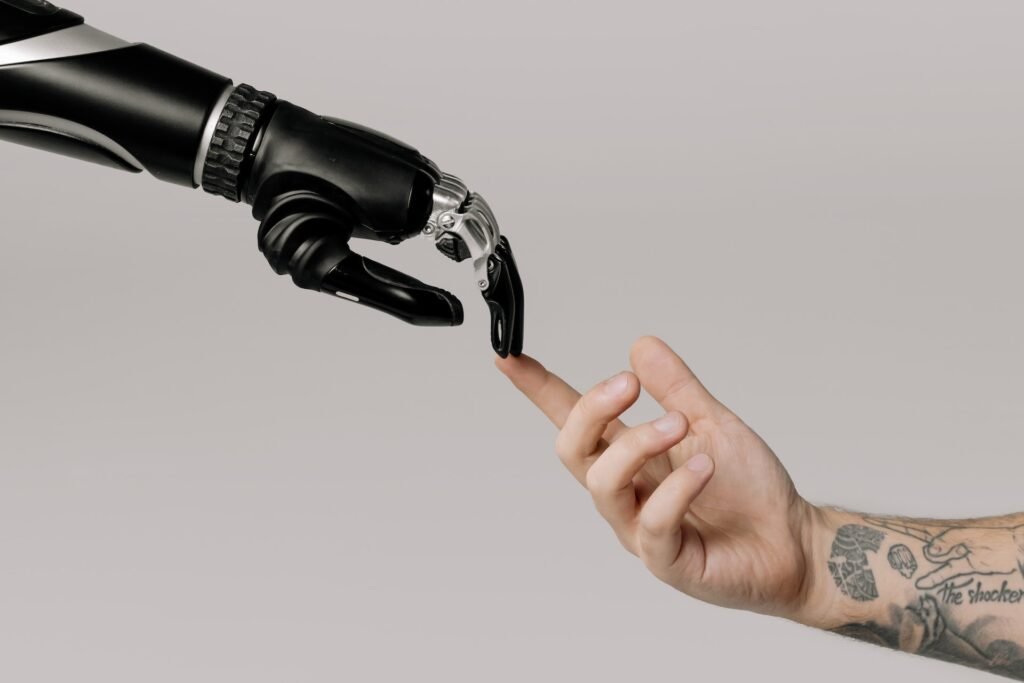
AI Day: Elon Musk unveils ‘friendly’ humanoid robot Tesla Bot
During Tesla’s AI Day event, CEO Elon Musk introduced an AI-powered humanoid robot called Tesla Bot, emphasizing its friendly and non-threatening nature. This may seem contradictory to Musk’s previous warnings about the dangers of AI, but he believes that by taking a proactive approach, Tesla can lead in building ethical AI and robotics. Musk’s concerns…

AI and Human-Computer Interaction: AI technologies for improving user interfaces, natural language interfaces, and gesture recognition.
AI has significantly influenced the field of Human-Computer Interaction (HCI) by enabling more intuitive, efficient, and personalized interactions between humans and computers. Here are some key AI technologies that enhance HCI:

AI and Data Privacy: Balancing AI advancements with privacy concerns and techniques for privacy-preserving AI.
AI and data privacy are important considerations in the development and deployment of AI systems. While AI advancements offer numerous benefits, they also raise concerns about the collection, use, and protection of personal data. Balancing AI advancements with privacy concerns requires adopting techniques and strategies for privacy-preserving AI. Here are some key points related to this topic:

AI and Virtual Assistants: AI-driven virtual assistants, chatbots, and voice assistants for personalized user interactions.
AI-driven virtual assistants, chatbots, and voice assistants have become increasingly popular and prevalent in various domains. Here are some key points related to AI and virtual assistants:

AI and Business Process Automation: AI-powered automation of repetitive tasks and decision-making in business processes.
AI-powered automation is transforming business process automation by leveraging AI technologies to streamline and optimize repetitive tasks and decision-making processes. Here are some key aspects of AI and business process automation:
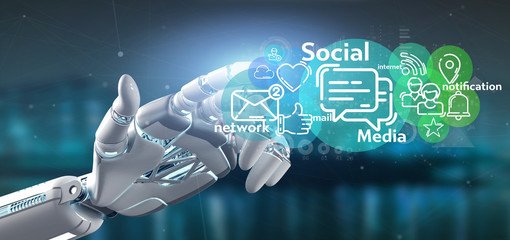
AI and Social Media: AI algorithms for content recommendation, sentiment analysis, and social network analysis.
AI has a significant impact on social media platforms, driving various functionalities and improving user experiences. Here are some key aspects of AI in the context of social media:

AI for Environmental Monitoring: AI applications in monitoring and protecting the environment, including wildlife tracking and climate modeling.
AI has proven to be a valuable tool in environmental monitoring and protection efforts. Here are some specific applications of AI in this domain:

AI in Cybersecurity: AI systems for threat detection, anomaly detection, and intelligent security analysis.
AI has made significant advancements in the field of cybersecurity, providing new tools and techniques to enhance threat detection, anomaly detection, and intelligent security analysis. Here’s an overview of AI applications in cybersecurity:

AI in Gaming: The use of AI techniques in game development, character behavior, and procedural content generation.
AI in gaming involves the use of various AI techniques to enhance game development, create realistic character behavior, and generate procedural content. Here’s an overview of how AI is utilized in gaming: