AI system inspects astronauts’ gloves for damage in real-time
As space exploration continues to push boundaries and humanity sets its sights on long-duration missions to the Moon, Mars, and beyond, ensuring astronaut safety becomes a paramount concern. Every aspect of a space mission must be meticulously monitored, and even the smallest details can have significant consequences. In this pursuit of enhanced safety, artificial intelligence (AI) is playing a crucial role. A recent development has brought forth an AI system capable of inspecting astronauts’ gloves for damage in real-time, revolutionizing the way spacesuit maintenance is conducted and potentially saving lives.
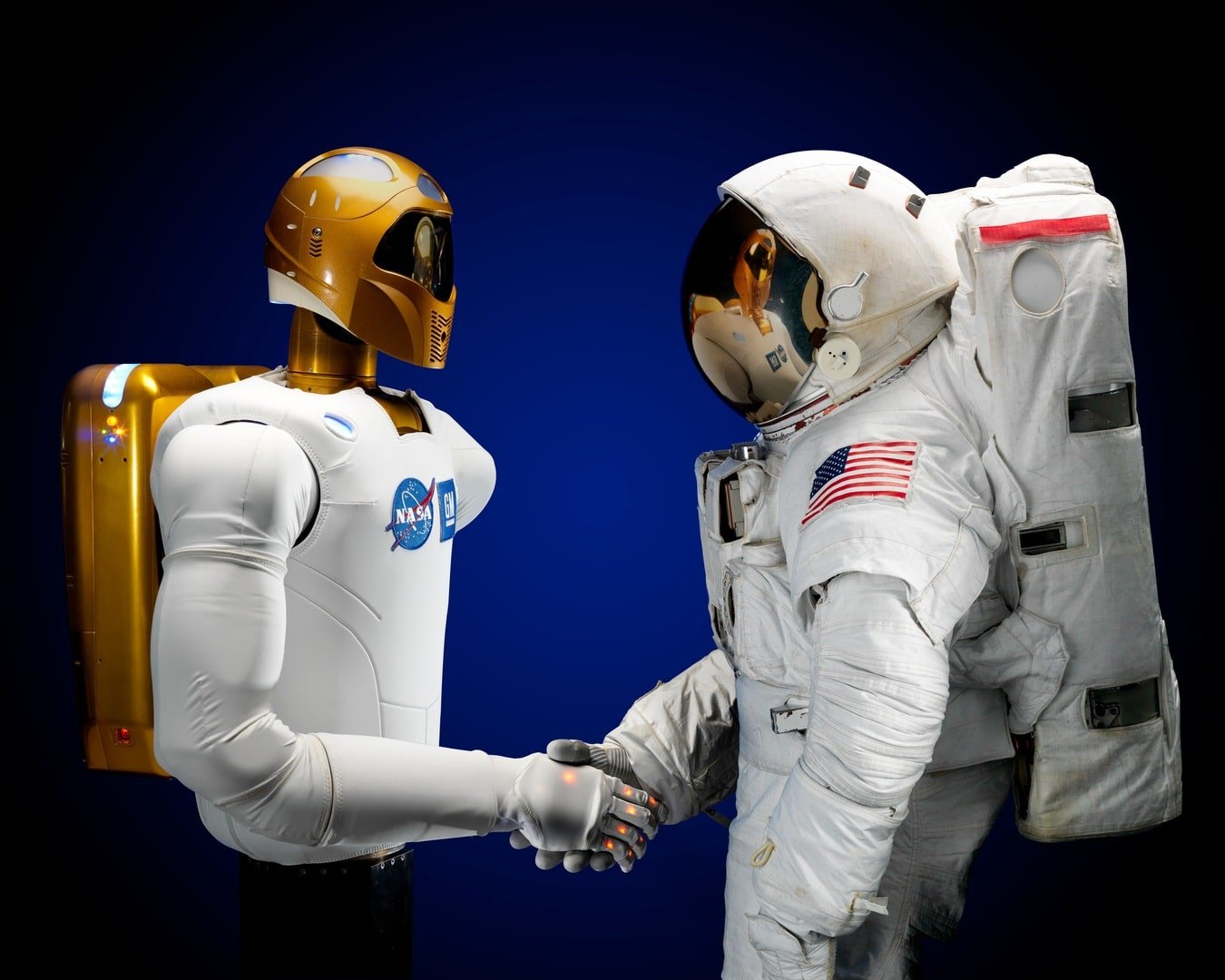
The Importance of Astronaut Glove Inspection: Spacesuits are the lifeline for astronauts, providing them with protection from the harsh conditions of space. However, these suits are not immune to wear and tear. Astronaut gloves, in particular, are vulnerable to damage due to the rigorous nature of extravehicular activities (EVAs). Punctures, cuts, and abrasions may occur, jeopardizing the integrity of the gloves and compromising astronaut safety. Identifying and addressing such damage promptly is essential to prevent hazardous situations and ensure mission success.
The Role of AI in Real-Time Inspection: Traditional methods of glove inspection involve manual checks by astronauts themselves or visual assessments by ground control teams through video feeds. However, these methods are time-consuming, subjective, and prone to human error. Recognizing the need for a more efficient and accurate solution, researchers and engineers have developed an AI system that leverages computer vision and machine learning algorithms.
How the AI Glove Inspection System Works: The AI glove inspection system consists of high-resolution cameras integrated into the spacesuit’s gloves, capturing real-time video footage. This footage is then analyzed by AI algorithms that can swiftly identify any signs of damage, such as punctures or cuts, with remarkable precision. The AI system can distinguish between actual damage and normal wear patterns, ensuring that only genuine risks are flagged for further assessment. Additionally, the system can assess the severity of the damage and provide an immediate risk assessment, allowing for informed decision-making in time-sensitive situations.
Benefits and Implications: The introduction of an AI system for real-time glove inspection brings several significant benefits and implications for astronaut safety and mission success. Firstly, it reduces the reliance on manual inspections, freeing up astronauts’ valuable time and cognitive resources for other critical tasks. Secondly, the AI system’s speed and accuracy minimize the chances of overlooking or misjudging glove damage, improving the overall effectiveness of spacesuit maintenance. Thirdly, the real-time risk assessment capabilities enable timely responses and appropriate actions to mitigate potential hazards.
Beyond gloves, the underlying AI technology can be extended to inspect other components of the spacesuit, such as helmets, boots, or even the integrity of the suit itself. This opens up possibilities for comprehensive real-time monitoring of the entire spacesuit system, further enhancing astronaut safety and mission resilience.