AI is Not Magic: It’s Time to Demystify and Apply
/ /
Artificial Intelligence (AI) has often been portrayed as an enigmatic force, shrouded in mystique and associated with sci-fi fantasies. However, it’s time to dispel the notion that AI is magic and bring it down to earth as a practical and powerful tool that can revolutionize industries and transform the way we live and work. In this blog post, we will debunk the myths surrounding AI, demystify its underlying principles, and explore its real-world applications across various domains.
- Understanding the Foundations of AI: At its core, AI is not a mystical force but a sophisticated set of algorithms and mathematical models that enable machines to learn from data and make intelligent decisions. Machine learning, a subset of AI, is built on statistical principles that allow systems to recognize patterns, make predictions, and improve their performance over time through iterative learning.
- Demystifying AI Jargon: AI jargon often contributes to the perception of it being magical and incomprehensible. Terms like neural networks, deep learning, and natural language processing may sound intimidating, but they all have concrete explanations and applications. By understanding the basic principles behind these terms, AI becomes more approachable and less mysterious.
- AI in Everyday Life: AI has quietly integrated into our daily lives without us realizing it. From personalized content recommendations on streaming platforms to virtual assistants that respond to our voice commands, AI is all around us. Demystifying AI involves recognizing the tangible ways it improves our experiences and understanding that it operates based on data and algorithms, not supernatural powers.
- Practical Applications of AI: AI’s practical applications extend beyond entertainment and virtual assistants. In industries like healthcare, finance, manufacturing, and transportation, AI is transforming processes, enabling predictive maintenance, automating mundane tasks, and enhancing decision-making. AI-driven technologies like self-driving cars, medical image analysis, and fraud detection have the potential to reshape entire sectors.
- Embracing AI with Ethical Considerations: Demystifying AI also involves recognizing the ethical implications of its widespread adoption. AI is only as unbiased and responsible as the data used to train it. Addressing concerns like AI bias, data privacy, and algorithm transparency is crucial to ensuring that AI applications are fair, reliable, and beneficial for everyone.
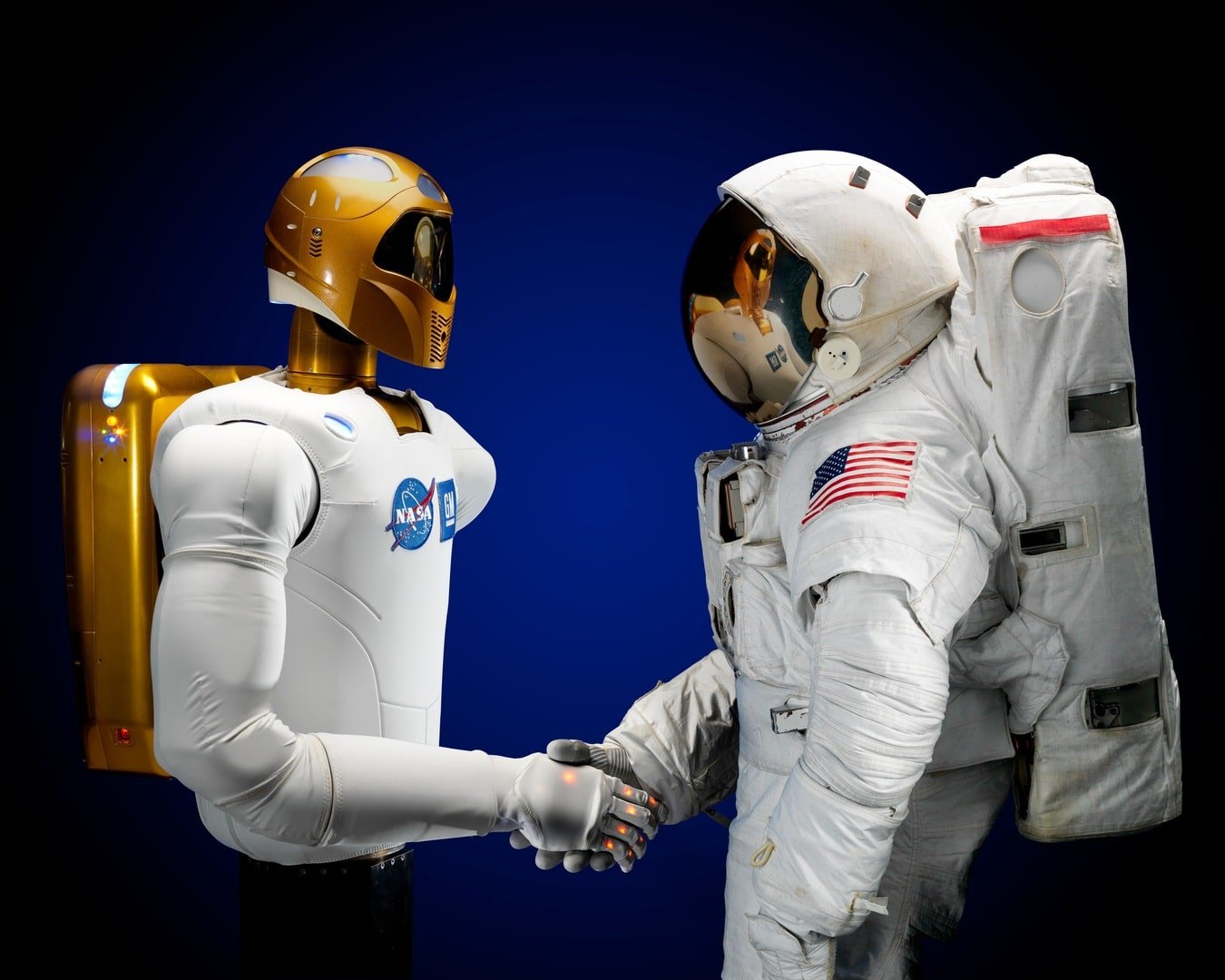
- The Human-AI Collaboration: Rather than fearing AI as a potential job-stealer, we should view it as a collaborative partner. AI is designed to augment human capabilities, not replace them entirely. By leveraging AI to automate repetitive tasks and analyze vast amounts of data, humans can focus on creative problem-solving, critical thinking, and innovative endeavors.
Posted in Blogs