AI Infrastructure & Unified Stacks: The Backbone of Scalable AI in 2026
Why the Future of Software Is Built Around AI
Artificial Intelligence is no longer a feature you add to software. In 2026, it is the foundation on which software is built.
This shift has given rise to AI-native software—applications designed from the ground up with AI at their core. Combined with deep system integration, AI-native platforms are redefining how businesses build products, automate workflows, and interact with technology.
What Is AI-Native Software?
AI-native software is designed with AI as a first-class citizen, not an add-on. Instead of static workflows and rigid interfaces, these systems:
- Use natural language as the primary interface
- Adapt dynamically based on user behavior and data
- Embed reasoning, prediction, and automation into every layer
- Continuously learn and improve over time
In contrast, traditional software follows predefined rules. AI-native software responds, decides, and evolves.
From AI Features to AI-First Architecture
Earlier enterprise tools added AI for recommendations or automation. In 2026, the architecture itself has changed:
- Intent-driven UX replaces complex menus
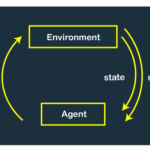
- AI agents orchestrate workflows behind the scenes
- APIs and models become as important as UI components
- Data pipelines are designed specifically for learning systems
Software is becoming less about clicks and more about conversations and outcomes.
Why Integration Is the Real Differentiator
AI-native software only delivers value when it is deeply integrated with existing systems. Standalone AI tools create silos; integrated AI platforms create leverage.
Modern AI-native systems connect seamlessly with:
- CRMs and marketing automation platforms
- ERP, finance, and HR systems
- Data warehouses and analytics tools
- Cloud infrastructure and internal APIs
This level of integration allows AI to act across systems, not just within them.
Real-World Use Cases Driving Adoption
🔹 Enterprise Operations
AI-native platforms automate procurement, forecasting, reporting, and compliance by pulling data from multiple systems and executing workflows end to end.
🔹 Sales & Marketing
From intent detection and personalization to campaign execution and attribution, AI-native tools optimize the full revenue lifecycle.
🔹 Product & Engineering
Developers use AI-native environments that assist with design, coding, testing, deployment, and monitoring—reducing time to market.
🔹 Customer Experience
Integrated AI systems deliver consistent, context-aware experiences across chat, email, voice, and self-service channels.
AI-Native Integration Patterns in 2026
Several integration patterns are emerging as best practices:
- Agent-based orchestration: AI agents coordinate tasks across tools
- Event-driven workflows: AI reacts to real-time signals and triggers
- Composable APIs: Modular services enable rapid experimentation
- Data-centric design: Clean, unified data fuels smarter decisions
These patterns enable flexibility, scalability, and continuous improvement.
Governance, Security & Trust
As AI becomes embedded in core systems, governance becomes critical. AI-native platforms are incorporating:
- Role-based access controls
- Audit trails for AI decisions
- Model monitoring and performance tracking
- Compliance with data privacy regulations
Trust is no longer optional—it’s a product requirement.
The Business Impact of AI-Native Software
Organizations adopting AI-native platforms are seeing:
- Faster decision-making
- Lower operational costs
- Higher employee productivity
- More personalized customer experiences
- Greater agility in changing markets
The competitive gap between AI-native and legacy software users is widening rapidly.
What’s Next for AI-Native Software?
Looking ahead, we can expect:
- Software that configures itself through conversation
- AI-driven integrations that require little to no manual setup
- Cross-platform agents working autonomously
- AI becoming invisible—embedded everywhere, noticed nowhere
The future of software is not just smarter—it’s AI-native by default.
AI-native software and deep integration are redefining the digital stack. In 2026, success belongs to organizations that stop asking “Where can we add AI?” and start asking “How do we build everything around it?”
The era of AI-first software has arrived.