AI in Transportation: Innovations in autonomous vehicles and AI for traffic management.
/ /
The landscape of transportation is undergoing a seismic shift, driven by advancements in artificial intelligence (AI) technology. From self-driving cars that promise safer and more efficient travel to AI-powered traffic management systems that optimize urban mobility, the intersection of AI and transportation is shaping the way we move and interact with our cities. In this blog, we’ll explore the innovations that AI brings to autonomous vehicles and traffic management, revolutionizing the way we navigate the roads.
Autonomous Vehicles: The Road Ahead
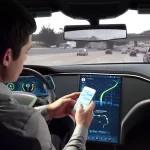
- Enhanced Safety: One of the most compelling promises of autonomous vehicles is improved road safety. AI-driven systems can process vast amounts of data from sensors, cameras, and Lidar to make split-second decisions, potentially reducing human errors that often lead to accidents.
- Efficient Traffic Flow: Autonomous vehicles communicate with each other and traffic management systems to optimize traffic flow. By anticipating and reacting to changes in real-time, AI-powered vehicles can reduce congestion and shorten travel times.
- Accessibility and Inclusion: Self-driving cars hold the potential to enhance mobility for individuals with disabilities or those who are unable to drive. AI can empower them to regain independence and access to transportation.
- Eco-Friendly Transportation: AI can optimize driving patterns, route planning, and vehicle energy consumption, leading to reduced fuel consumption and emissions. This plays a significant role in combating climate change and improving air quality.
AI for Traffic Management: Paving the Way for Smart Cities
- Dynamic Traffic Control: AI-powered traffic management systems use real-time data from sensors, cameras, and GPS to adjust traffic signal timings and reroute vehicles, minimizing congestion and promoting efficient traffic flow.
- Predictive Analytics: Machine learning algorithms analyze historical and current traffic data to predict congestion hotspots, enabling authorities to proactively implement measures to alleviate traffic jams.
- Smart Parking Solutions: AI can guide drivers to available parking spots, reducing the time spent searching for parking and decreasing traffic congestion in urban areas.
- Public Transportation Optimization: AI algorithms can optimize public transportation routes and schedules based on demand patterns, ensuring more efficient and convenient options for commuters.
Challenges and Considerations
As exciting as these innovations are, they come with their own set of challenges:
- Safety and Liability: Ensuring the safety of autonomous vehicles and addressing liability concerns in the event of accidents remains a significant hurdle that requires careful regulation and standards.
- Data Privacy: Collecting and processing vast amounts of data for AI-driven transportation systems raise concerns about data privacy and security. Striking the right balance between data utilization and protection is crucial.
- Human-Machine Interaction: Designing intuitive interfaces for interacting with autonomous vehicles and AI-driven traffic systems is essential to ensure seamless integration and user acceptance.
- Infrastructure and Regulations: Widespread adoption of autonomous vehicles requires updates to infrastructure and regulatory frameworks. Governments and industries must work together to establish guidelines and policies that promote safe and efficient deployment.
Posted in Blogs