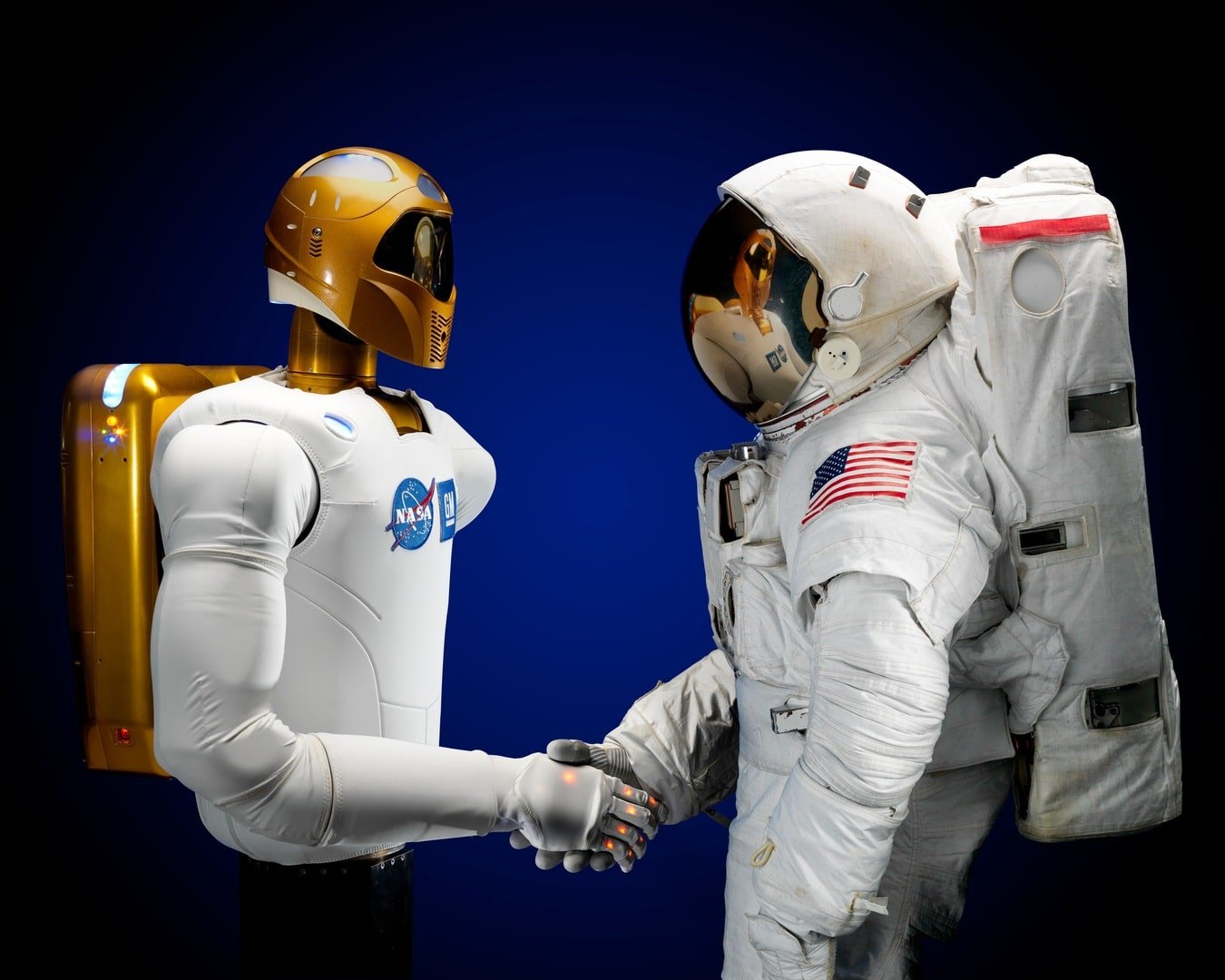
AI in Space Exploration Robotics: AI-driven robots exploring extraterrestrial environments.
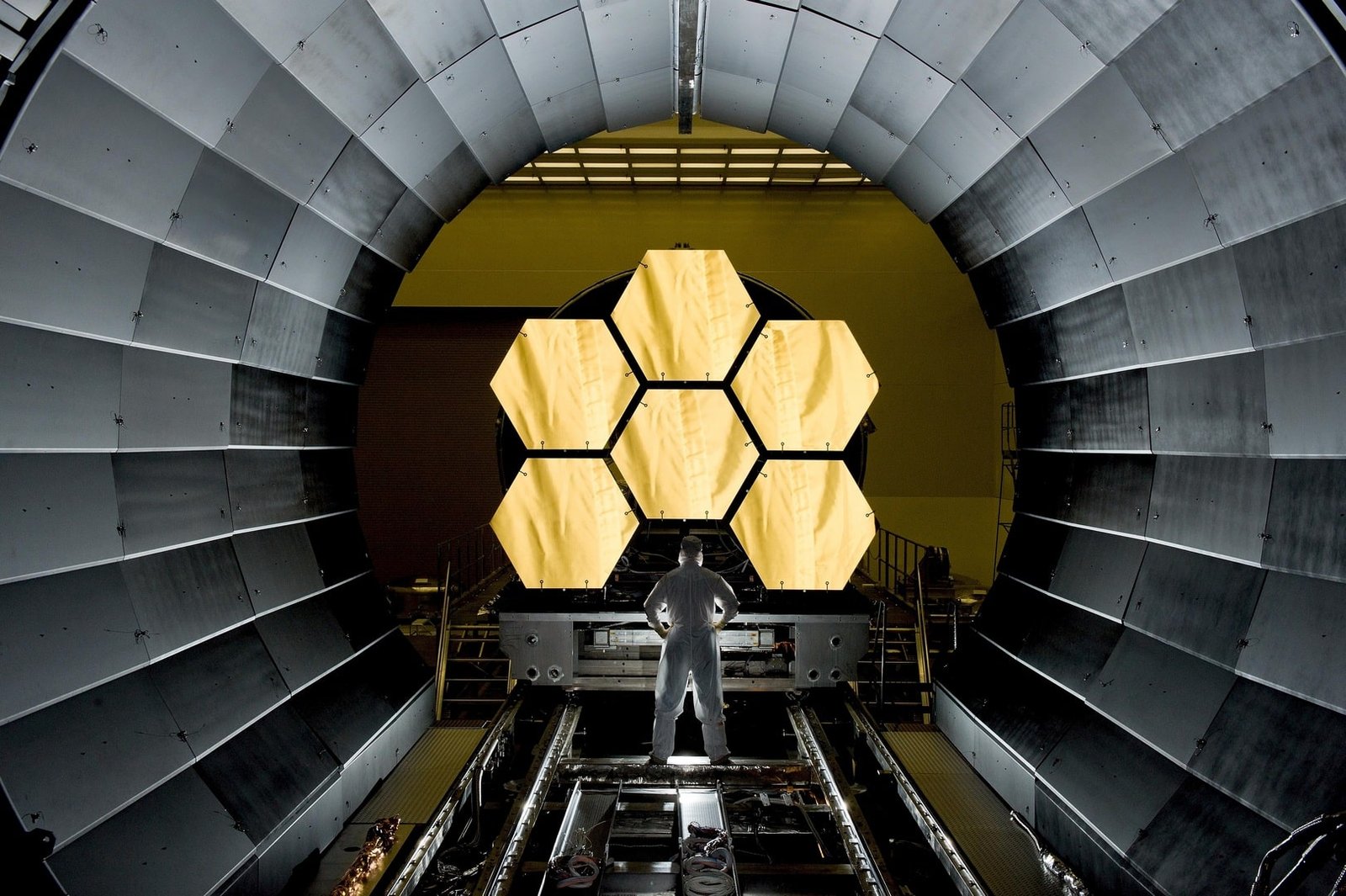
The exploration of space has always captivated human imagination, driving us to seek answers beyond our planet’s boundaries. As we venture farther into the cosmos, the challenges of exploring extraterrestrial environments become increasingly complex. Enter the realm of artificial intelligence (AI) and robotics, a dynamic partnership that is revolutionizing space exploration. AI-driven robots are now at the forefront of our efforts to unlock the mysteries of the universe, allowing us to navigate alien terrains, conduct scientific research, and prepare for future human missions.
Robotic Pioneers in Outer Space
The demands of space exploration necessitate innovative approaches, and AI-equipped robots are the perfect companions for this journey. These robots possess the ability to adapt, learn, and make decisions based on real-time data. They are capable of performing intricate tasks autonomously, reducing the need for constant human intervention and minimizing risks associated with human presence in harsh and unpredictable environments.
From the rugged surface of Mars to the icy expanses of Saturn’s moon Enceladus, these robots are our eyes, ears, and hands in the far reaches of the cosmos.
Adaptive Intelligence for Exploration
AI’s role in space exploration is not just limited to guiding robots; it extends to enabling them to be adaptable and intelligent explorers. These robots are equipped with machine learning algorithms that allow them to recognize patterns, process vast amounts of data, and make informed decisions based on their findings.
For instance, when navigating unfamiliar terrain, a robot can use AI to analyze its surroundings and adjust its path to avoid obstacles or hazards. In situations where communication delays are significant, these robots can independently identify targets of interest and prioritize their tasks.
Scientific Discovery and Resource Utilization
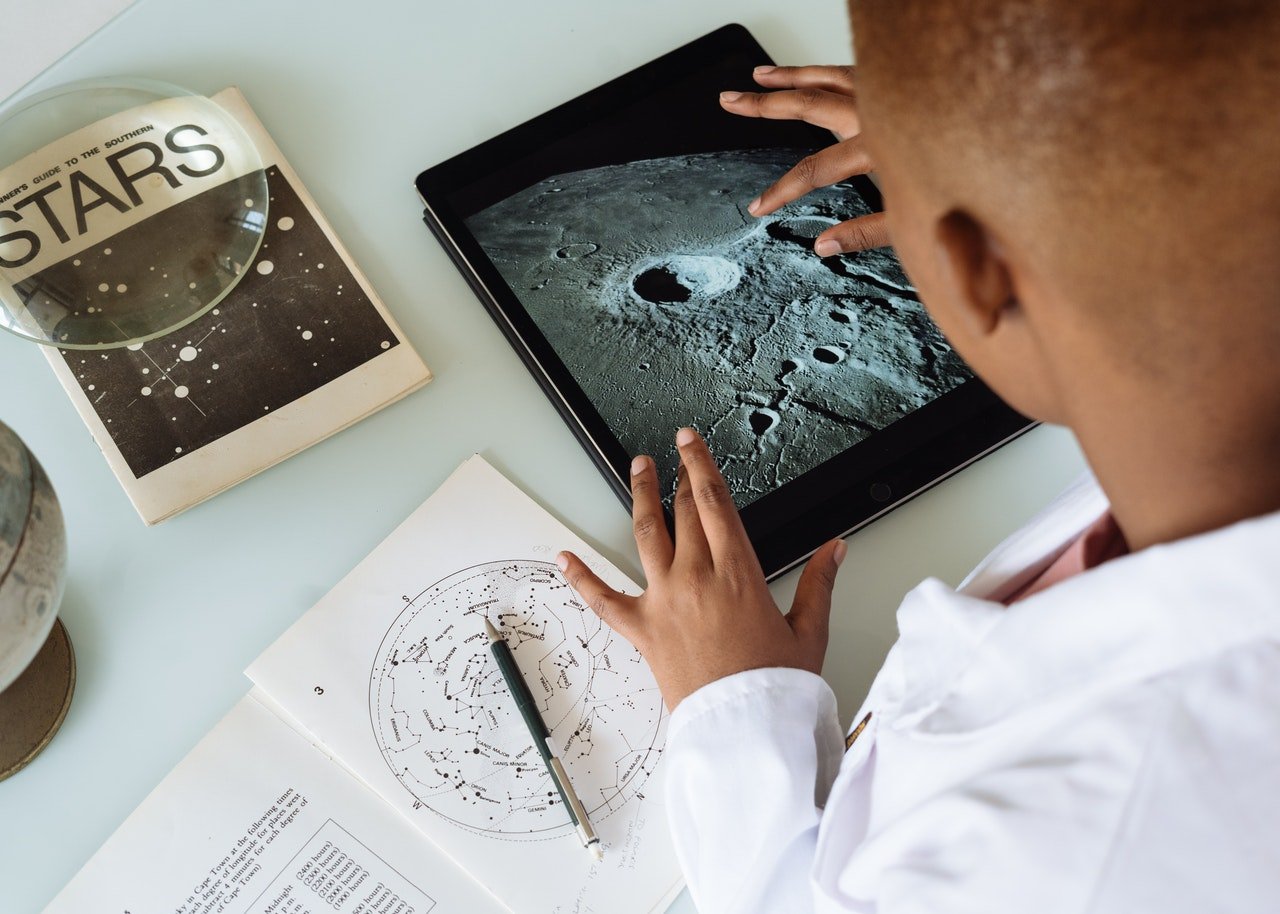
AI-driven robots are not only explorers; they are also research assistants. They can collect samples, analyze geological formations, and perform experiments, all while transmitting valuable data back to scientists on Earth. This data fuels our understanding of celestial bodies and their potential for supporting life or offering resources for future human endeavors.
In the context of resource utilization, AI enables robots to identify valuable materials like water ice or minerals on other planets, which could be essential for sustaining human settlements or powering spacecraft.
Preparing for Human Missions
One of the most significant contributions of AI-driven robots lies in their role as precursors to human missions. These robots can scout potential landing sites, assess environmental conditions, and test technologies necessary for human survival. They help us identify challenges and risks that humans might encounter, allowing us to plan and prepare more effectively for human exploration.
Robotic missions lay the groundwork for future human endeavors beyond Earth, ensuring that we venture forth with the knowledge and tools needed for success.
Challenges and Future Prospects
The integration of AI into space exploration robotics is not without its challenges. Operating in extreme conditions, handling unexpected situations, and maintaining reliability over extended missions are all areas that demand continuous innovation and improvement.
As AI technologies continue to advance, we can expect even more intelligent and capable robotic explorers. Improved perception, decision-making, and adaptability will be the hallmarks of the next generation of spacefaring robots.