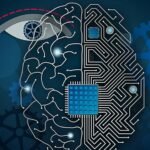
AI and Virtual Assistants: AI-driven virtual assistants, chatbots, and voice assistants for personalized user interactions.
AI-powered virtual assistants are software applications that use natural language processing, machine learning, and other AI techniques to simulate human-like interactions and provide personalized assistance to users. They can be chat-based, voice-based, or a combination of both. Natural Language Processing (NLP): NLP is a critical component of virtual assistants, enabling them to understand and interpret user queries and respond in a conversational manner.
NLP algorithms analyze user input, extract relevant information, and generate appropriate responses. Personalized User Interactions: Virtual assistants leverage AI algorithms to learn from user interactions and provide personalized experiences. They can remember user preferences, adapt to individual needs, and offer tailored recommendations and assistance over time.
Voice Assistants: Voice assistants, such as Amazon’s Alexa, Apple’s Siri, Google Assistant, and Microsoft’s Cortana, use AI techniques to process spoken commands and respond with voice-based outputs. They can perform tasks like setting reminders, playing music, providing weather updates, and controlling smart home devices. Chatbots: Chatbots are virtual assistants designed to interact with users through text-based conversations. They can be integrated into websites, messaging apps, or customer support systems to provide instant responses to inquiries, handle routine tasks, and guide users through various processes. Natural Language Understanding: Virtual assistants employ natural language understanding capabilities to comprehend user intent, context, and sentiment.
This allows them to understand complex queries, extract relevant information, and provide accurate and contextually appropriate responses. Contextual Awareness: AI-powered virtual assistants aim to understand the context of a conversation and maintain continuity in interactions. They can remember previous interactions, retrieve user history, and provide relevant follow-up responses based on the ongoing conversation. Multi-Modal Interfaces: Virtual assistants are evolving to support multi-modal interfaces that combine voice, text, and visual elements. This allows users to interact with virtual assistants using a combination of speech, text input, and visual cues, providing more natural and intuitive interactions. Integration with Other Systems: Virtual assistants can integrate with various systems and services, including calendars, email, messaging apps, e-commerce platforms, and smart home devices. This enables them to perform tasks like scheduling appointments, placing orders, and controlling IoT devices. Continuous Learning: Virtual assistants leverage machine learning algorithms to improve their performance over time.
They learn from user interactions, user feedback, and large volumes of data to enhance their language understanding, response generation, and overall user experience. AI-driven virtual assistants have transformed the way we interact with technology and have found applications in customer support, personal productivity, smart homes, healthcare, and more. Continued advancements in AI technologies are expected to further enhance the capabilities and intelligence of virtual assistants.