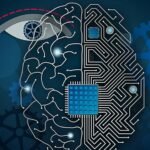
AI and the Future of Work: AI’s impact on jobs and workforce transformation.
The integration of Artificial Intelligence (AI) into various industries is changing the landscape of work in profound ways. As AI technologies continue to evolve, they are both augmenting human capabilities and reshaping job roles. The future of work is a dynamic interplay between human ingenuity and AI-driven efficiency. In this blog, we’ll explore the impact of AI on jobs and workforce transformation, shedding light on the opportunities, challenges, and strategies that individuals and organizations need to navigate this transformative era.
AI’s Role in Job Evolution
The rise of AI has led to concerns about job displacement, but it’s important to recognize that AI is more than a job taker—it’s a job transformer. Routine and repetitive tasks are being automated, freeing up human workers to focus on tasks that require creativity, critical thinking, and emotional intelligence. AI’s ability to process massive amounts of data also enhances decision-making and problem-solving across industries.
Reskilling and Upskilling
To remain relevant in an AI-augmented workforce, individuals need to embrace continuous learning. Organizations are recognizing the need for reskilling and upskilling programs to help employees adapt to new roles and technologies. These programs ensure that workers possess the skills necessary to collaborate effectively with AI systems and leverage their capabilities to enhance productivity.
Collaborative Intelligence
The future of work is about collaborative intelligence—humans and AI systems working together synergistically. AI can provide data-driven insights, patterns, and predictions, while humans contribute contextual understanding, ethical judgment, and nuanced decision-making. This collaboration optimizes performance, driving innovation and efficiency across industries.
Creating New Roles
AI is also creating new job roles that cater to its development, deployment, and management. Roles like AI trainers, data scientists, and machine learning engineers are becoming increasingly important. Moreover, as AI becomes more integrated into everyday operations, the need for AI ethicists, who navigate the ethical implications of AI systems, is on the rise.
Addressing Ethical and Social Implications
The adoption of AI brings forth ethical and social considerations that require careful attention. Questions about bias in algorithms, job displacement, and data privacy need to be addressed to ensure a fair and equitable future of work. Organizations must take a proactive approach to AI ethics, embedding values and transparency into their AI systems.
Human-Centric Skills
While AI systems excel in data analysis and automation, human-centric skills remain irreplaceable. Emotional intelligence, empathy, creativity, and interpersonal communication are areas where humans outshine AI. These skills are critical in fostering collaboration, managing teams, and understanding customer needs.
Balancing Efficiency and Humanity
The journey toward the future of work is a delicate balancing act between efficiency and humanity. Organizations should view AI as a tool to amplify human potential rather than a replacement. By leveraging AI to handle repetitive tasks, businesses can empower their workforce to focus on tasks that require creativity, critical thinking, and innovation.