AI and Brain-Computer Music Interfaces: Creating music with the power of thought using AI.
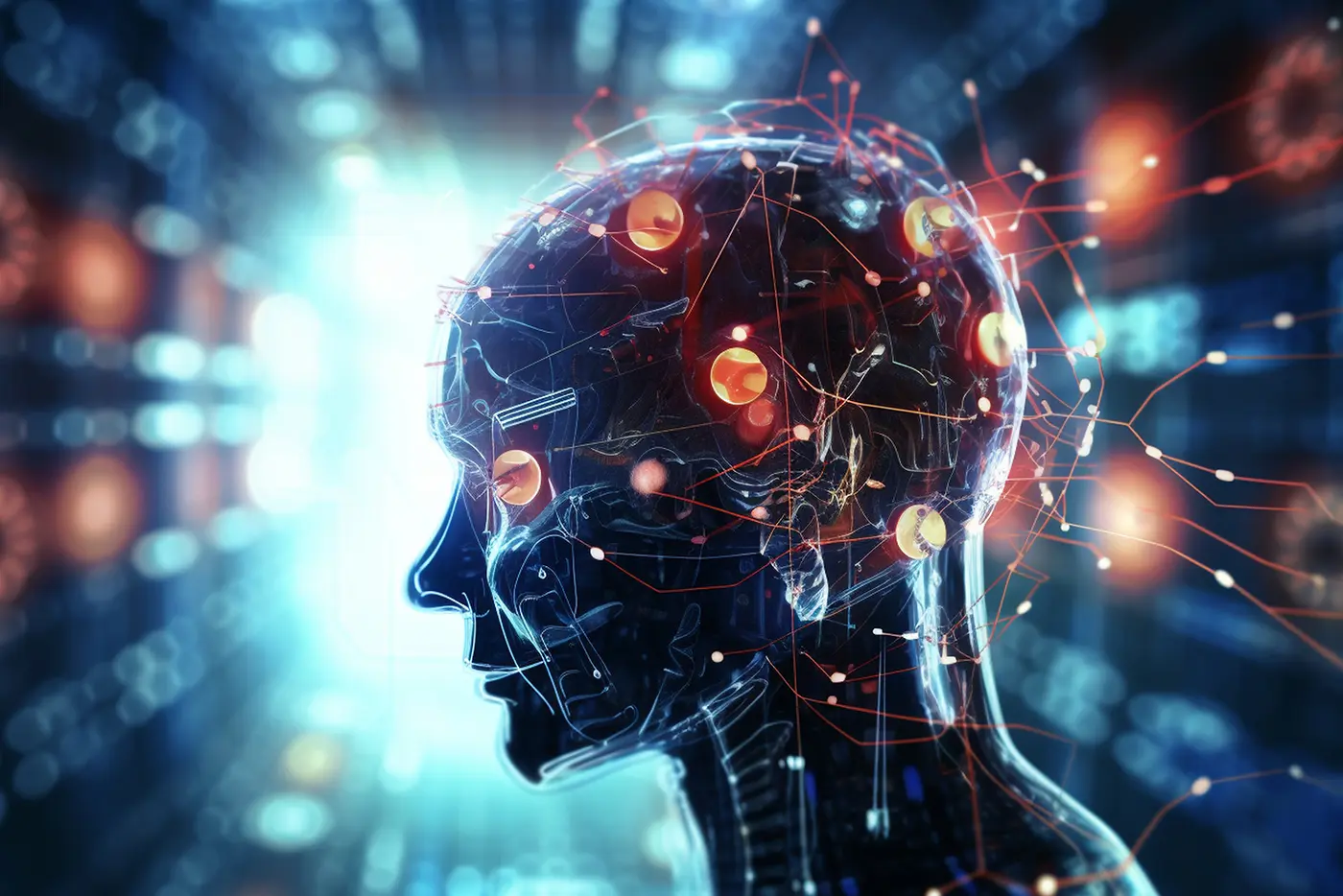
The realms of music and technology have long been intertwined, with each pushing the boundaries of human creativity and innovation. In recent years, a fascinating convergence of artificial intelligence (AI) and brain-computer interfaces (BCIs) has given rise to a groundbreaking concept: creating music through the power of thought. This fusion has the potential to revolutionize the way we compose, perform, and experience music, unlocking new avenues for artistic expression and blurring the lines between imagination and reality.
The Marriage of AI and Brain-Computer Interfaces
Brain-computer interfaces, once relegated to the realm of science fiction, are now making remarkable strides in reality. These interfaces establish a direct communication link between the human brain and external devices, such as computers or musical instruments. As AI algorithms have advanced, they’ve become adept at interpreting neural signals and translating them into meaningful commands or actions.
AI’s role in this scenario is pivotal. It acts as the bridge between the human mind and the musical output. By processing and analyzing the complex patterns of brain activity, AI algorithms can generate musical notes, harmonies, rhythms, and even entire compositions. This synergy of neuroscience and AI has the potential to democratize music creation, enabling those with physical limitations to participate in musical expression like never before.
The Creative Process Unveiled
Imagine a pianist conjuring melodies through a mere thought, a composer crafting an intricate symphony by harnessing the imagination’s depths, or a person with paralysis playing a musical instrument without any physical constraints. This is the power of brain-computer music interfaces.
At the heart of this innovation is the ability to decode brain signals and map them to musical elements. Electroencephalography (EEG) and functional magnetic resonance imaging (fMRI) are some of the technologies that allow us to capture the brain’s activity. AI algorithms then analyze this data to identify patterns associated with different musical intentions – be it playing a specific note, altering the tempo, or changing the instrumentation.
Challenges and Future Directions
While the promise of AI-powered brain-computer music interfaces is exhilarating, several challenges persist. The complexity of human thought and the variability in brain activity make accurate interpretation a demanding task. AI models need to continually adapt and learn from individual users to improve accuracy and customization. Moreover, the creative process is highly personal; finding ways to translate diverse artistic visions accurately requires further exploration.
Ethical considerations also come to the fore. As technology delves deeper into the recesses of our minds, questions of privacy, consent, and potential misuse must be addressed. Striking a balance between innovation and responsible development is crucial.
Expanding Musical Horizons
The marriage of AI and brain-computer interfaces is not just about recreating traditional forms of music. It opens doors to entirely new auditory experiences that were previously unimaginable. The fluidity of thought can give rise to compositions that transcend conventional musical boundaries, incorporating elements from dreams, emotions, and subconscious musings.
Collaborations between human composers and AI algorithms can lead to intriguing sonic landscapes. Composers can experiment with ideas and concepts, and AI can provide real-time feedback or suggest novel directions, acting as a creative partner rather than a replacement.