AI in Humanitarian Aid: AI’s role in aiding humanitarian efforts and refugee assistance.
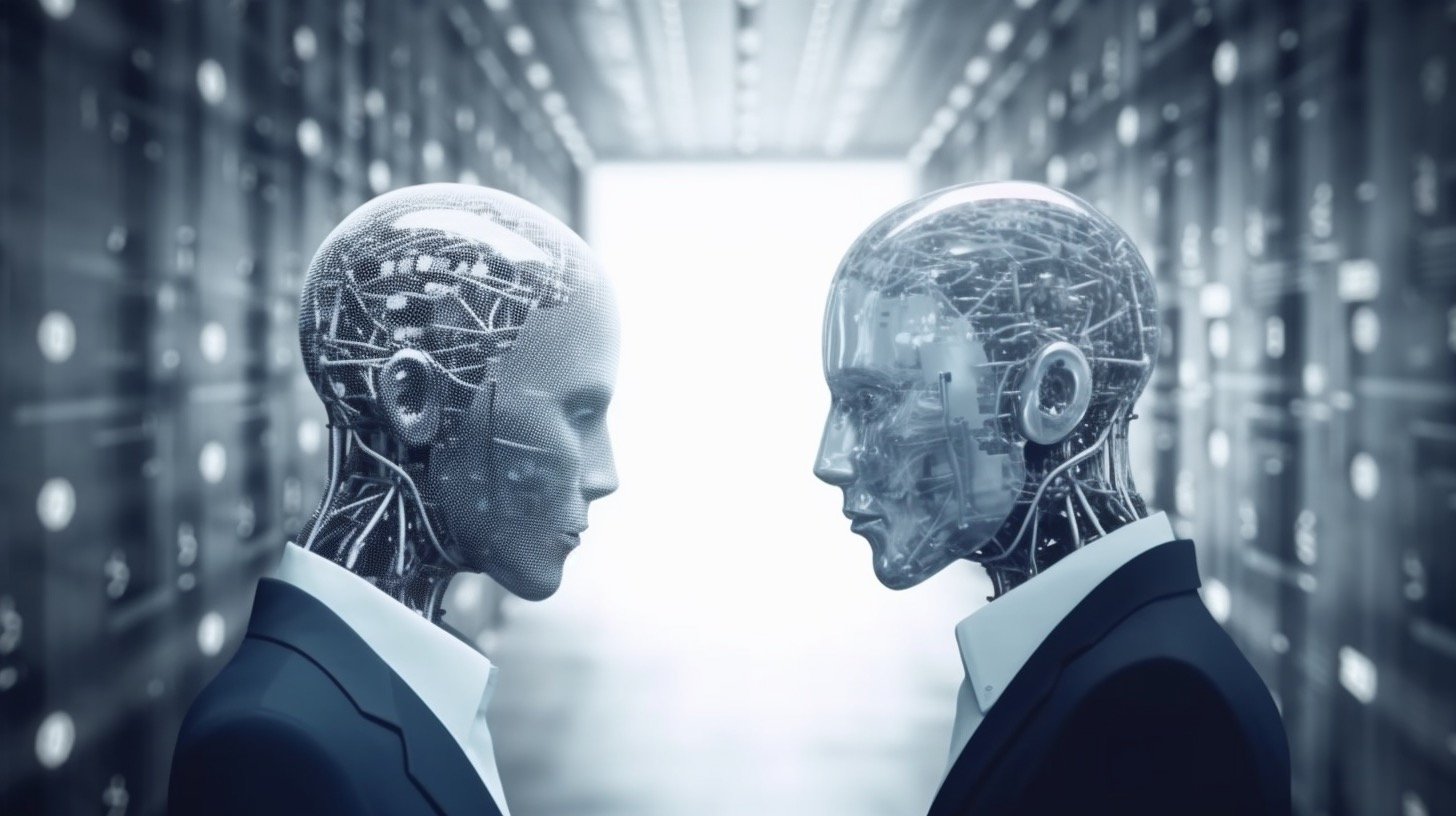
In times of crisis and conflict, humanitarian aid plays a vital role in providing relief, support, and hope to those in need. With the emergence of artificial intelligence (AI), a new era of humanitarian assistance is unfolding. This blog explores the transformative impact of AI in enhancing humanitarian efforts and refugee assistance, from improving disaster response to facilitating access to essential services and promoting human dignity.
- Rapid Disaster Response
Disasters, both natural and man-made, demand swift and coordinated response efforts. AI-powered algorithms analyze real-time data from various sources, such as satellite imagery and social media, to predict and assess the extent of damage. This enables humanitarian organizations to allocate resources efficiently, prioritize rescue operations, and deliver aid to affected areas promptly.
- Data-Driven Decision Making
AI’s ability to analyze vast amounts of data aids decision makers in understanding complex humanitarian challenges. From identifying vulnerable populations to mapping disease outbreaks, AI-driven insights help organizations develop targeted strategies that address critical needs more effectively.
- Refugee and IDP Assistance
For displaced populations, access to basic necessities can be scarce. AI-powered chatbots and mobile apps can provide refugees and internally displaced persons (IDPs) with information on available resources, such as food distribution points, medical services, and shelter options. These tools empower individuals to make informed decisions and navigate their challenging circumstances.
- Language Translation and Communication
Effective communication is key in humanitarian settings where diverse languages are spoken. AI-driven translation tools enable aid workers to communicate with affected communities, assess needs, and provide instructions accurately. This bridges language barriers and ensures that assistance reaches those who need it most.
- Healthcare and Medical Support
In refugee camps and crisis zones, access to healthcare is often limited. AI applications, such as telemedicine and diagnostic tools, connect healthcare professionals with patients remotely. AI can also analyze medical data to predict disease outbreaks, enabling early intervention and preventive measures.
- Education and Skill Development
AI-powered educational platforms offer refugees and displaced individuals the opportunity to access learning resources and skill development programs. These platforms adapt to individual learning styles, providing tailored educational experiences that empower individuals to rebuild their lives and contribute to their communities.
- Empowering Local Communities
AI not only aids international organizations but also empowers local communities to take charge of their own resilience and recovery. AI-driven platforms can support community-led initiatives, foster collaboration, and amplify local voices, ensuring that aid efforts are sustainable and aligned with the needs and aspirations of the people they serve.